

 Business License

Epoxy silane oligomer Applications
01 Silane Oligomers: Definition and Advantages
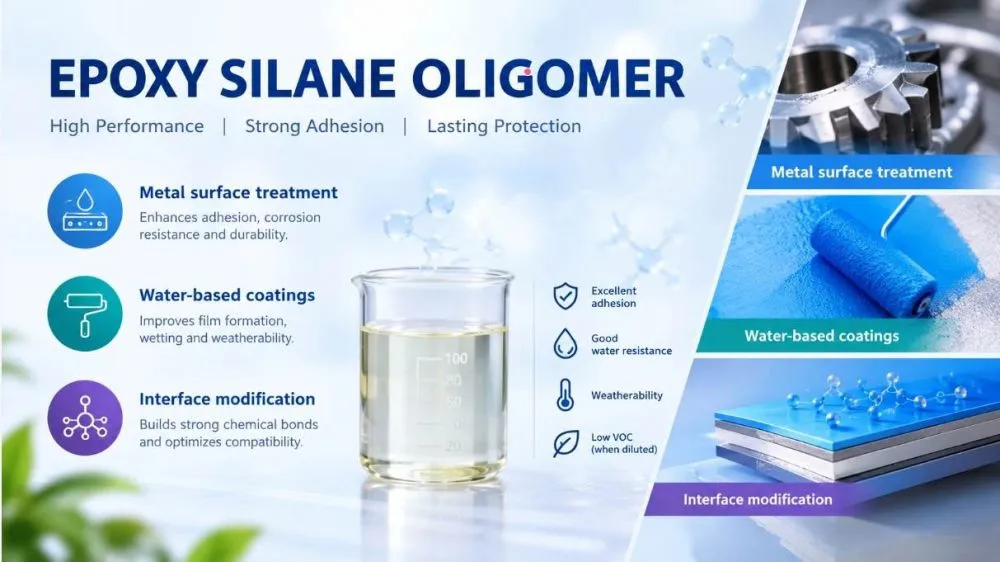
Silane oligomers are synthesized from selected silane coupling agents with end-cappers, catalysts and stabilizers, with polymerization degrees of 3–5. Compared with conventional types, their longer flexible chains deliver superior system stability, adhesion, boiling, chemical, abrasion, heat and weather resistance, plus unique flexibility.
02 Epoxy Silane Oligomers: Structure and Core Properties
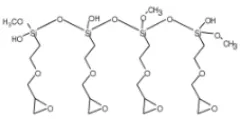
Epoxy silane oligomer is hydrolyzed from γ-glycidoxypropyl trialkoxysilane (KH560) under controlled conditions. It contains multiple reactive groups including alkoxy and epoxy groups. The figure below shows the schematic structure of KH560 oligomer.
It features low cure shrinkage, excellent wettability and broad formulation compatibility. As a functional additive, crosslinker and modifying matrix, it is widely used in coatings, adhesives, composites and surface treatment, serving as a key raw material for high-end fine chemicals and advanced composites.
03 Applications — Metal Surface Treatment
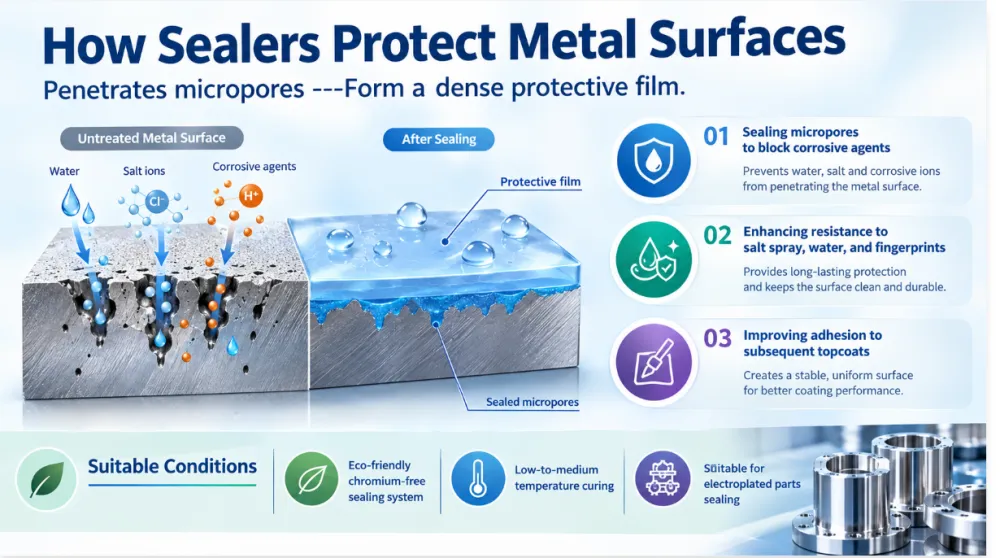
Water-based sealing of electroplated parts
It penetrates micropores on galvanized, nickel-plated and tin-plated layers. Its epoxy groups crosslink with hydroxyl groups to form a dense ultra-thin protective film, blocking corrosives and improving salt-spray, fingerprint and water resistance, while boosting topcoat adhesion. This chrome-free eco system suits low-to-medium temperature curing. Overdosage causes sticky films, sagging and poor bath stability.
2. Acidic phosphating interface modification
Epoxy silane oligomer features good wettability and compatibility in acidic phosphating baths. It adsorbs on metal substrates to refine phosphating crystals and reduce sludge by complexing metal ions, and seals micropores in phosphating films. Its epoxy groups form chemical bonds between inorganic films and topcoats to improve adhesion and salt-spray resistance. It can be co-deposited in phosphating tanks or formulated as a weakly acidic sealer, as a chrome-free eco-friendly pretreatment modifier.
04 Applications— Water-based Coatings
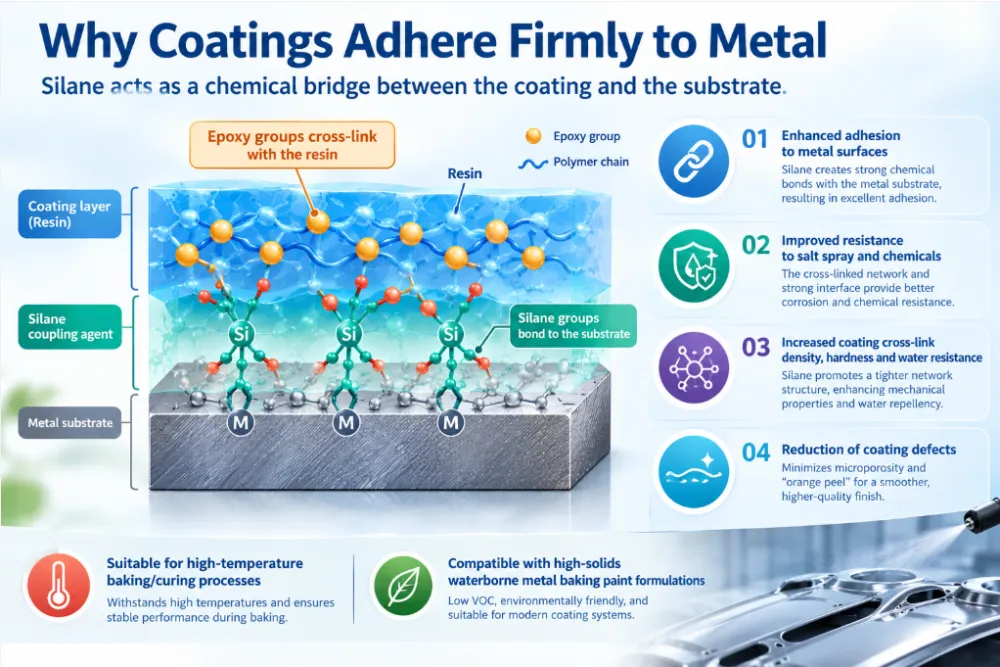
1. Functional Modification of Water-based Resin Systems
It serves as a key functional modifier for waterborne coatings, directly compatible with waterborne acrylic, polyurethane and epoxy resins. Its epoxy groups crosslink with hydroxyl and carboxyl groups in resins, while silane groups form covalent bonds with inorganic substrates like metal, glass and concrete, greatly boosting coating adhesion and addressing poor adhesion and water resistance common in waterborne coatings.
2. Water-based baking enamel for metal
It acts as a crosslinking modifier and adhesion promoter. It improves resin wetting on metals and reduces film defects such as craters and orange peel. Epoxy crosslinking increases crosslink density, hardness and water resistance, and enhances adhesion, salt spray and chemical resistance on cold-rolled steel, galvanized steel and aluminum. It suits high-temperature curing for high-solids waterborne metal stoving formulations.
05 Product Benchmarking and Core Advantages
Wuhan Hugarise New Materials Co., Ltd. launches epoxy silane oligomer, substitute of Momentive CoatOSil MP200, Evonik Dynasylan® HYDROSIL 2926 and Shin-Etsu KR-516. Compared with monomeric silanes like KH560, this oligomer delivers more uniform films, longer shelf life and superior stability. It offers outstanding protection and bonding performance in metal surface treatment, waterborne coatings and waterborne metal stoving enamels.
Wuhan Hugarise New Material Co.,Ltd.
Email: info@hugarise.com
Tel: +86 027 85838885
Mobile: +86 153 9154 7019 +86 132 9661 3823
Add: Room 811, Building E, Wuhan Living Room Exhibition Center, Dongxihu District, Wuhan, Hubei, China
Recently Posted
-
Copper Foil Post-Treatment Antioxidants — Application of Benzotriazole and Its Derivatives
September 9, 20261. Industrial Significance of Anti-Oxidation Treatment for Copper Foil Copper foil serves as the core co Read More
 -
Chemicals for copper foil electroplating: tensile properties and applications
August 26, 20261. Industry Pain Points and Core Application Value of H1 AdditivesIn electrolytic copper‑foil production and copper‑plating Read More
 -
Copper Foil Electroplating Chemicals — Functions of Brighteners and Industrial Applications
August 13, 202601. Core Value: Acid Copper Plating & Electroplating IntermediatesAcid copper plating is a vital process for hardware electrop Read More
 -
Application of ZPS in the Electroplating Industry
August 13, 20261. Overview Sodium 3-(benzothiazol-2-ylthio)-1-propanesulfonate (commonly called ZPS, CAS No.: 49625-94-7) is a vital or Read More

Contact Us
Recommended Products
-
 Sodium 3-sulfopropyl Methacrylate (SPM-Na)NegotiableMOQ: 25 Kilograms
 -
GuanineNegotiableMOQ: 25 Kilograms
-
β-hydroxy-4-(2-hydroxyethyl)piperazine-1-propanesulphonic Acid (HEPPSO)NegotiableMOQ: 25 Kilograms
-
3-(Cyclohexylamino)2-hydroxy-1-propanesulfonic Acid (CAPSO)NegotiableMOQ: 25 Kilograms
-
3-Cyclohexylaminopropane-1-sulphonic Acid(CAPS)NegotiableMOQ: 25 Kilograms
-
4-(N-morpholino)butyric Acid (MOBS)NegotiableMOQ: 25 Kilograms
-
4-(cyclohexylamino)butane-1-sulfonic Acid (CABS)NegotiableMOQ: 25 Kilograms
-
N-(2-Hydroxyethyl)piperazine-N'-(4-butanesulfonic Acid) (HEPBS)NegotiableMOQ: 25 Kilograms
-
3-(3-Cholamidopropyl)-dimethylamino-1-propanesulfonic Acid (CHAPS)NegotiableMOQ: 25 Kilograms
-
2-hydroxy-3-[[2-hydroxy-1,1-bis(hydroxymethyl)ethyl]amino]propanesulphonic Acid (TAPSO)NegotiableMOQ: 25 Kilograms
-
3-(tris(hydroxymethyl)methylamino)propane-1-sulphonic Acid (TAPS)NegotiableMOQ: 25 Kilograms
-
3-Morpholinepropanesulfonic Acid (MOPS)NegotiableMOQ: 25 Kilograms
-
4-(2-Hydroxyethyl)-1-piperazinepropanesulfonic Acid (HEPPS)NegotiableMOQ: 25 Kilograms
-
Aliphatic Polyoxyethylene Ether SulfonateNegotiableMOQ: 25 Kilograms
-
3-MercaptopropyltriethoxysilaneNegotiableMOQ: 25 Kilograms
-
3-AminopropyltriethoxysilaneNegotiableMOQ: 25 Kilograms
-
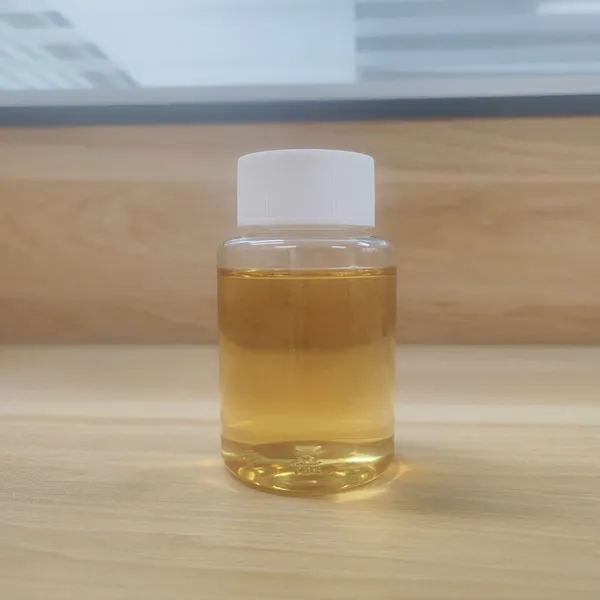
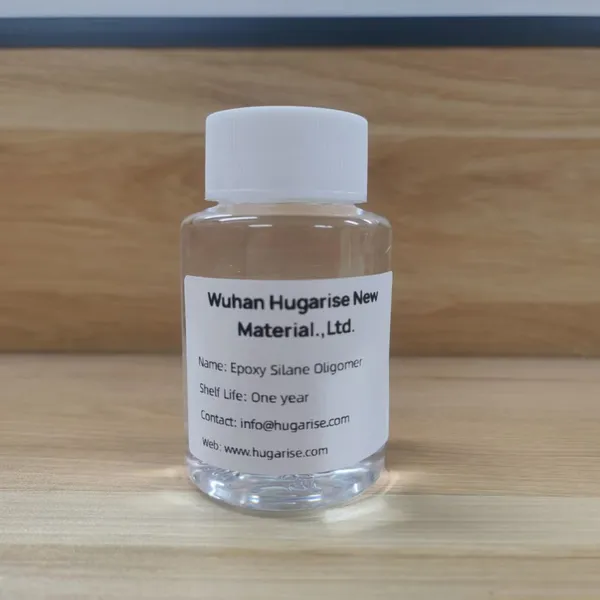
Epoxy Silane OligomerNegotiableMOQ: 25 Kilograms
-
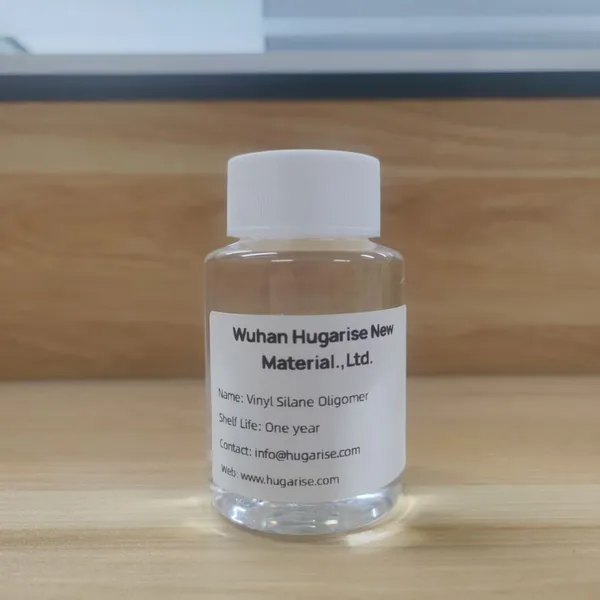
Vinyl Silane OligomerNegotiableMOQ: 25 Kilograms
-
Sodium 3-(benzothiazol-2-ylthio)-1-propanesulfonate(ZPS)NegotiableMOQ: 25 Kilograms
-
1,3-Bis[3-(dimethylamino)propyl]urea (PU)NegotiableMOQ: 25 Kilograms
![1,3-Bis[3-(dimethylamino)propyl]urea (PU)](https://img13.fr-trading.com/3/1_629_120264_1000_1000.jpg.webp)
